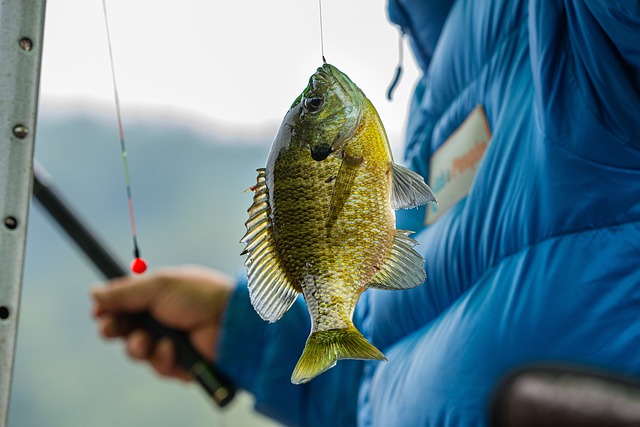
As the leaves begin to change and the air turns crisp, fall presents an exciting opportunity for anglers eager to target bluegill. This time of year marks a shift in the behavior and feeding patterns of these popular panfish, making them more accessible and active in many waters. Whether you’re a seasoned fisherman or a novice looking to enhance your skills, understanding the nuances of fall bluegill fishing can lead to a rewarding experience. From selecting the right gear and locations to employing effective techniques and bait, this guide will equip you with everything you need for a successful outing this autumn.
Understanding Bluegill Behavior in Fall
Migration Patterns and Habitat Changes
As the summer sun fades and the leaves start their colorful display, bluegills are on the move! In the fall, these little fish begin transitioning from deeper waters to shallow areas where they can take advantage of the warmer temperatures. Look for them near submerged structures, like fallen trees or weed beds, where they feel cozy and safe. Just like us, bluegills prefer a comfy hangout when the weather gets cooler!
Feeding Habits During Autumn
As autumn rolls in, bluegills go into “feed mode.” They know winter is coming and they need to bulk up before the chilly season. Expect these fish to be actively feeding on insects, small minnows, and aquatic invertebrates. Your best bet is to mimic their favorite snacks; think small jigs, live bait, and even a few autumn-colored lures that scream “dinner time!”
Essential Gear for Fall Bluegill Fishing
Rods, Reels, and Line Recommendations
When it comes to gear, you don’t need a fancy yacht or a rod longer than most of your relatives’ attention spans. A light to medium-action rod around 6 to 7 feet is perfect for bluegills. Pair it with a spinning reel that holds 6 to 10-pound test line. Monofilament line is a solid choice for its stretch and ease of handling, but if you’re feeling fancy, go for fluorocarbon for its invisibility in the water. Remember, you’re not trying to scare the bluegills away—save that for your in-laws!
Must-Have Accessories and Tackle
Don’t forget to stock up on the essentials! Bring along a tackle box filled with a variety of hooks, weights, and lures—think crickets, small jigs, and soft plastics in vibrant colors. A good net will save you from the struggle of dangling a slippery bluegill above the water, and don’t skimp on a good pair of pliers for easy hook removal. Pro tip: a cooler can double as a seat and a snack holder. Fishing is serious business, but who says we can’t munch on some chips while we wait for a bite?
Top Locations for Bluegill Fishing in Autumn
Identifying Productive Lakes and Ponds
Finding the right lake or pond is like a treasure hunt—sometimes it’s all about the adventure! Look for smaller, warmer bodies of water since bluegills love to congregate in shallower spots where they can forage with friends. Pay attention to areas with plenty of weeds and submerged structures; they make excellent hiding spots for both bluegills and your fishing line. Local knowledge is golden, so don’t hesitate to ask fellow anglers about their secret hotspots—just don’t expect them to share their sandwich!
Exploring Local Rivers and Streams
Rivers and streams can be a goldmine for fall bluegill fishing. Find slow-moving sections where bluegills are likely to hang out, especially around eddies and behind boulders. Look for places with overhanging trees where insects fall into the water—instant buffet for those hungry fish! Just remember to keep an eye on the current; you don’t want to end up fishing in a swimway or becoming part of the river’s wildlife yourself.
Effective Techniques and Strategies
Float Fishing vs. Bottom Fishing
Two popular strategies are float fishing and bottom fishing. Float fishing allows you to keep your bait suspended at the right depth, making it easier to catch bluegills lurking just beneath the surface. If you prefer bottom fishing, use a sliding sinker rig to present your bait right where the bluegills are feasting. Experiment with both techniques—variety is the spice of fishing, after all!
When to Use Catch-and-Release Practices
While bluegills are delicious, it’s essential to know when to release the ones you catch. If you’re reeling in a particularly large specimen or if you’ve already filled your cooler, consider giving that bluegill a second chance at life. Plus, releasing a few ensures future generations of anglers (and fish) can enjoy the thrill of the catch. Just think of it as being a responsible ambassador for your favorite fishing hole—fishing karma is a thing!
Bait and Lure Selection for Fall Bluegills
Natural Baits That Work Best
When the leaves start to change and a brisk breeze dances through the air, bluegills get a bit hungrier. This is the time to whip out natural baits such as worms, crickets, and maggots. These fish have an insatiable appetite for juicy morsels, and nothing beats the real deal. If you’re feeling fancy, consider small minnows—they can make a bluegill feel like it struck gold! Just remember to keep your bait fresh; nobody likes a stale snack, not even fish.
Choosing the Right Lures for Fall Conditions
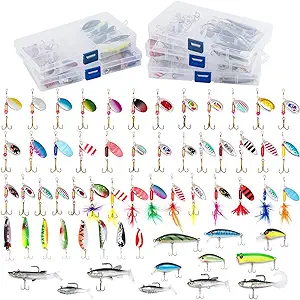
As the water cools down, bluegills become a tad more discerning, but you can still outsmart them with the right lures. Small jigs and spinners work wonders; their flash and movement mimic the panicked bait fish that bluegills crave. Opt for natural colors like greens, browns, and whites to blend in with the falling leaves and murky water. And if you’re feeling particularly adventurous, try a topwater popper during those calm days—watching a bluegill strike is like the fish version of a fireworks show. Just don’t forget your landing net; you’ll want to show off that catch!
Seasonal Weather Considerations
Impact of Temperature on Fishing Success
As the temperature drops, bluegills often venture into shallower waters to bask in the warmth of the sun. Early fall is prime time for fishing as they pack on the calories before winter. Ideal water temperatures hover around 60-70°F, so keep an eye on the thermometer—think of it as bluegill goldilocks: not too hot, not too cold, but just right! This means your fishing might be best in the afternoons when the sun has had a chance to warm the water a bit.
Adapting to Rain and Wind Conditions
When the weather acts up, so should you! Wind can create a slight wave action that actually makes bluegills feel a bit bolder, so don’t shy away from breezy days. Cast your line near the edges of weed beds or structures, where the food gets blown around and bluegills are lurking in ambush mode. Rain can be your friend too; overcast skies often bring fish to the surface. Just keep an eye on the radar—getting caught in a downpour is less fun than a soggy sandwich!
Safety Tips for Fall Fishing Adventures
Staying Warm and Comfortable
Fall fishing can be a great excuse to layer up in your coziest flannels and that beanie you secretly love. Don’t forget about thermal socks; there’s nothing like warm toes to keep your spirits high while waiting for a bite. A good pair of waterproof boots can save you from chilly feet when it’s time to wade in to snag that record bluegill. And, of course, dress in layers—bring those extra gloves because you might end up needing them when holding your catch for the photo op!
Water Safety and Weather Awareness
As you cast your line, remember that Mother Nature can be fickle, especially in fall. Always check the weather before heading out; if it looks like storm clouds are scheming, it might be better to save that fishing adventure for another day. Keep a life jacket handy if you’re heading out on a boat. And remind yourself that falling temperatures can lead to chilly waters; a slip can turn a fishing trip into an unexpected swim lesson. Stay alert, fish smart, and enjoy the bounties of the season!
Cooking and Preparing Your Bluegill Catch
Popular Cooking Methods for Bluegill
Once you’ve snagged your prized bluegill, it’s time to turn that catch into a delicious meal! The classic frying method reigns supreme—lightly breaded and pan-fried until golden brown is a surefire way to please a crowd. If you’re feeling a bit healthier, consider grilling. A splash of lemon, some herbs, and a quick sear can elevate your fish dinner to gourmet status. And for the adventurous cooks, try baking your bluegill wrapped in foil with veggies for a simple yet delightful one-pan meal.
Delicious Recipes to Try at Home
Ready to impress your dinner guests? Here’s a fun and simple recipe: Bluegill Tacos. Just season your fillets with lime juice, chili powder, and a pinch of salt, then grill or pan-fry until flaky. Serve in soft tortillas with a zesty cabbage slaw, avocado, and a drizzle of spicy mayo. Voila! A gourmet experience on a cozy fall evening. Another great choice is Bluegill Chowder—creamy, hearty, and perfect for warming the soul after a day on the water. Simply sauté onions, celery, and potatoes, add some fish stock, cream, and your flaked bluegill. Trust us; it’s a hug in a bowl!As you head out for your fall bluegill fishing adventure, remember that preparation and knowledge are key to success. By understanding the seasonal behavior of bluegills and employing the right strategies, you can enjoy a fruitful day on the water. Whether it’s spending quality time with friends and family or simply enjoying nature, fishing in the fall offers unforgettable experiences. So gear up, embrace the beauty of the season, and make the most of your bluegill fishing outings. Happy fishing!
Frequently Asked Questions
What is the best time of day to fish for bluegill in the fall?
The best times to fish for bluegill in the fall are typically early morning and late afternoon when they are most active and feeding.
What type of bait works best for bluegill during autumn?
Popular baits for fall bluegill include worms, crickets, and small minnows, as well as artificial lures that mimic these natural food sources.
Do bluegill tend to school together in the fall?
Yes, bluegill often form schools in the fall, making it easier to catch multiple fish in one spot if you find a school.
How can I improve my chances of catching bluegill in colder weather?
To improve your chances, focus on deeper waters where bluegill may seek warmer temperatures and use slower retrieval techniques with your bait or lures.

Author: curiouscoyoteoutdoors_q6vopb
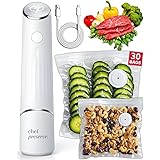
Chef Preserve Compact Vacuum ...
$79.20 (as of November 30, 2025 12:51 GMT +07:30 - More infoProduct prices and availability are accurate as of the date/time indicated and are subject to change. Any price and availability information displayed on [relevant Amazon Site(s), as applicable] at the time of purchase will apply to the purchase of this product.)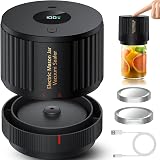
LOVE MOMENT Electric Mason Ja...
$22.79 (as of November 30, 2025 12:51 GMT +07:30 - More infoProduct prices and availability are accurate as of the date/time indicated and are subject to change. Any price and availability information displayed on [relevant Amazon Site(s), as applicable] at the time of purchase will apply to the purchase of this product.)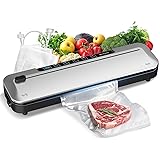
MZROT 75KPa Food Vacuum Seale...
$29.99 (as of November 30, 2025 12:51 GMT +07:30 - More infoProduct prices and availability are accurate as of the date/time indicated and are subject to change. Any price and availability information displayed on [relevant Amazon Site(s), as applicable] at the time of purchase will apply to the purchase of this product.)
Lighting EVER LED Flashlights...
$7.99 (as of November 30, 2025 12:51 GMT +07:30 - More infoProduct prices and availability are accurate as of the date/time indicated and are subject to change. Any price and availability information displayed on [relevant Amazon Site(s), as applicable] at the time of purchase will apply to the purchase of this product.)
SABRE Pepper Spray, Quick Rel...
$9.98 (as of November 30, 2025 12:51 GMT +07:30 - More infoProduct prices and availability are accurate as of the date/time indicated and are subject to change. Any price and availability information displayed on [relevant Amazon Site(s), as applicable] at the time of purchase will apply to the purchase of this product.)
Chef Preserve Compact Vacuum ...
$79.20 (as of November 30, 2025 12:51 GMT +07:30 - More infoProduct prices and availability are accurate as of the date/time indicated and are subject to change. Any price and availability information displayed on [relevant Amazon Site(s), as applicable] at the time of purchase will apply to the purchase of this product.)
LOVE MOMENT Electric Mason Ja...
$22.79 (as of November 30, 2025 12:51 GMT +07:30 - More infoProduct prices and availability are accurate as of the date/time indicated and are subject to change. Any price and availability information displayed on [relevant Amazon Site(s), as applicable] at the time of purchase will apply to the purchase of this product.)
MZROT 75KPa Food Vacuum Seale...
$29.99 (as of November 30, 2025 12:51 GMT +07:30 - More infoProduct prices and availability are accurate as of the date/time indicated and are subject to change. Any price and availability information displayed on [relevant Amazon Site(s), as applicable] at the time of purchase will apply to the purchase of this product.)
Lighting EVER LED Flashlights...
$7.99 (as of November 30, 2025 12:51 GMT +07:30 - More infoProduct prices and availability are accurate as of the date/time indicated and are subject to change. Any price and availability information displayed on [relevant Amazon Site(s), as applicable] at the time of purchase will apply to the purchase of this product.)